
Understanding the Importance of Old Care
As time progresses, the need for compassionate care for the elderly becomes increasingly important. The golden years of life should be filled with comfort, dignity, and respect. However, for many seniors, these years can be fraught with health concerns, loneliness, and a lack of support. This is where old care comes in – a vital service aimed at improving the quality of life for elderly individuals, ensuring they live their later years with respect, comfort, and care.
What Is Old Care?
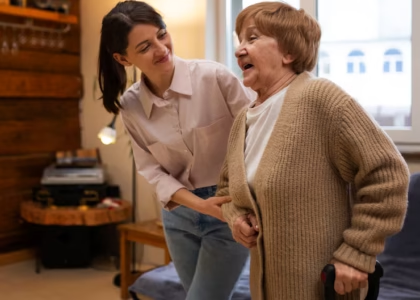
Old care is a form of caregiving that focuses on meeting the physical, emotional, and social needs of elderly individuals. It can involve providing assistance with daily tasks such as bathing, dressing, feeding, and mobility, as well as managing medical needs, administering medications, and offering companionship. The core of old care lies in ensuring that seniors continue to lead fulfilling lives, regardless of age-related challenges.
The Need for Specialized Old Care
As people age, they often face conditions such as arthritis, cognitive decline, or other chronic illnesses that can make independent living difficult. Many seniors may find themselves isolated, as their children or loved ones may not have the time or resources to provide the level of care they need. This is where professional old care services become invaluable.
Old care is not just about assisting with daily activities; it’s about ensuring that the elderly feel valued, connected, and secure. With the right caregivers, elderly individuals can maintain their dignity, stay engaged in life, and even find new avenues of joy and purpose, despite their limitations.
Key Aspects of Old Care
Physical Care: As our bodies age, mobility and physical health often decline. Old care provides vital support with tasks such as bathing, dressing, eating, and moving around. Caregivers help seniors with these daily activities, ensuring that they maintain a high standard of living, even in the face of physical challenges.
Emotional Support: Aging can be an emotional journey. Loneliness, grief, and anxiety are common feelings for many seniors. A significant part of old care involves offering companionship, listening to their concerns, and simply being there when they need a friendly face. Emotional support ensures that seniors don’t feel isolated and alone.
Health Management: Many seniors deal with chronic health conditions like diabetes, heart disease, and arthritis. Managing medications and keeping track of medical appointments are essential aspects of old care. Professional caregivers are trained to handle these aspects, ensuring that seniors are well taken care of.
Social Engagement: Old care isn’t just about physical and medical support; it’s also about keeping seniors mentally active and engaged. Many caregivers help seniors with activities like reading, puzzles, crafts, or simply engaging in meaningful conversation. This keeps their minds sharp and helps them maintain a sense of purpose.
Nanny Live-in Care for the Elderly
For families looking for a more personal and consistent approach to old care, nanny live-in care is an ideal solution. This service involves a caregiver or “nanny” living in the senior’s home to provide 24/7 support. Live-in caregivers are a fantastic option for seniors who require constant assistance or for families who want to ensure their loved one has someone present at all times.
Live-in caregivers offer a personal touch that other forms of care may lack. They get to know the senior they are caring for on a deeper level, building a bond that goes beyond just caregiving. This type of care is particularly beneficial for seniors who may suffer from memory loss, dementia, or other conditions that require consistent attention.
Why Choose Professional Old Care Services?
While family members may initially try to care for their elderly relatives themselves, there often comes a time when professional old care is necessary. Professional caregivers bring expertise and training that ensures high-quality care. They are equipped to manage medical conditions, provide emotional support, and offer companionship, all of which are essential for a senior’s well-being.
Moreover, old care services help alleviate the emotional and physical burden on family caregivers. By entrusting the care of their loved one to a professional, family members can have peace of mind knowing their elderly relative is receiving the best possible care.
The Role of Institutions in Promoting Old Care
Educational institutions such as the Mother Teresa Nanny Academy, Mother Teresa Nobles Academy Senior Secondary School, and Mother Teresa Academy in Chandigarh and Mohali play an important role in training individuals who wish to pursue careers in caregiving. These academies provide comprehensive training in various aspects of caregiving, including old care, ensuring that future caregivers are well-equipped to meet the needs of the elderly.
The Mother Teresa Academy in Mohali and Best Mother Teresa Academy in Chandigarh are known for their excellent training programs, which focus on providing high-quality education in caregiving. These academies ensure that their students are trained to handle the complexities of old care with professionalism and compassion. Whether in Mother Teresa Nursery and Primary School, or other levels, the education provided ensures that caregivers are equipped with both the technical skills and emotional intelligence needed for this important job.
Conclusion
Old care is more than just a service—it’s a commitment to enhancing the lives of elderly individuals, ensuring they are treated with the dignity and respect they deserve. Whether it’s through professional caregiving, nanny live-in care, or emotional support, the goal is to make the senior’s life more comfortable, fulfilling, and enjoyable. As we move toward a future where the elderly population continues to grow, it’s crucial to continue providing exceptional care for this vital group in our society.
By supporting initiatives like the Mother Teresa Academy in Chandigarh and other similar institutions, we ensure that caregivers are well-trained and prepared to offer the best care possible for seniors. This not only improves the quality of life for elderly individuals but also promotes a compassionate society that values the contributions of all its members, regardless of age.
About the Author