

Understanding Disabled Care
Disabled care is a vital aspect of healthcare that focuses on offering assistance and support to individuals with disabilities, enabling them to live a dignified and independent life. It goes beyond just physical care; it encompasses emotional, social, and psychological support, ensuring that people with disabilities are not just taken care of, but also respected and integrated into society in a meaningful way.
The Importance of Disability Care
In our fast-paced world, it’s easy to overlook the needs of individuals who require specialized care due to disabilities. However, the reality is that people with physical, intellectual, or emotional disabilities deserve the same quality of life as anyone else. Disability care is about creating an environment where these individuals can thrive, not just survive.
The primary goal of disabled care is to ensure that people with disabilities are given the support they need to perform daily activities, maintain their health, and enjoy life to its fullest. This support can range from assistance with basic tasks like bathing and dressing to more complex needs such as medical attention or emotional counseling. Proper care can dramatically improve the quality of life for those with disabilities, promoting a sense of independence and confidence.
Types of Disability Care
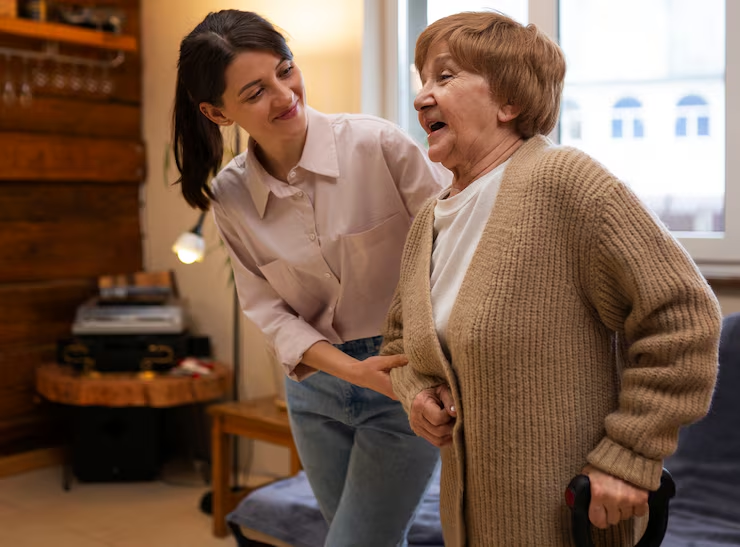
Personal Care: Personal care is a core component of disability care, focusing on day-to-day needs such as hygiene, mobility assistance, and personal grooming. This type of care helps individuals maintain their personal dignity and hygiene, which can sometimes be a challenge without the right assistance.
Medical Care: Medical care in the realm of disabled care includes assistance with medication management, monitoring health conditions, and providing specialized care for specific disabilities. Trained caregivers or healthcare professionals may administer medications or oversee medical treatments as prescribed by a doctor.
Psychosocial Support: In addition to physical care, individuals with disabilities often require emotional and psychological support. This could involve therapy, counseling, or simple companionship. Mental well-being plays an integral role in the overall health of a disabled person, and caregiving should always include strategies to support emotional resilience.
Respite Care: For family members or primary caregivers, respite care offers a temporary relief to help them recharge. Respite care providers ensure that the disabled person continues to receive excellent care while their primary caregiver takes a break.
Nanny Live-In Care for Disabled Individuals
One of the more specialized forms of care is nanny live-in care, where a trained nanny or caregiver lives with the disabled individual to provide round-the-clock care. This type of care is particularly useful for families who need constant assistance but don’t have the time or resources to manage caregiving on their own.
Live-in nannies not only help with physical care, but they also assist with emotional well-being by forming a bond with the person they are caring for. They become integral members of the household, providing a level of comfort and companionship that goes beyond what traditional caregiving offers.
The Role of Education in Disability Care
Education plays a significant role in improving disability care. Institutions like the Mother Teresa Academy in Chandigarh and Mother Teresa Academy in Mohali are setting high standards in caregiving education. These institutes are not only focused on nurturing students but also on providing them with specialized skills to work in areas such as disability care.
The Mother Teresa Nanny Academy, for example, provides expert training for those interested in pursuing careers in caregiving. This academy equips individuals with the knowledge and tools to offer exceptional care for people with disabilities. Whether it’s understanding the needs of a child with physical disabilities or providing elderly care, these institutions ensure that caregivers are well-prepared to take on these responsibilities.
The Mother Teresa Nobles Academy Senior Secondary School is also a place where students are taught not only academics but also the value of compassion and care. These values are important when it comes to offering effective disabled care. It’s about fostering empathy, kindness, and patience—qualities that are essential in caregiving.
Moreover, Mother Teresa Nursery and Primary School introduces children to the idea of helping others, fostering early empathy. This type of education can have long-term benefits in creating a more inclusive society that understands and embraces the challenges faced by people with disabilities.
The Best Care Comes from Understanding
Disability care isn’t a one-size-fits-all solution. It’s about understanding the unique needs of each individual and adapting the care plan accordingly. Whether you’re seeking help for an elderly loved one, a child with special needs, or someone who has a physical or mental disability, the best care providers approach each case with understanding and flexibility.
In cities like Chandigarh and Mohali, where top institutions like the Best Mother Teresa Academy in Chandigarh are working to train the next generation of caregivers, you can find highly skilled professionals who are not only knowledgeable but also passionate about improving the lives of those with disabilities. Whether it’s through a professional caregiving service or live-in care, these institutions ensure that quality care is accessible to everyone who needs it.
Conclusion
Disabled care is an essential part of building a compassionate society. By providing the right care, whether through personal assistance, medical attention, or emotional support, we help individuals with disabilities lead fulfilling lives. Programs and institutions such as the Mother Teresa Academy in Mohali and Mother Teresa Nanny Academy are helping to create a pool of well-trained caregivers who are dedicated to providing the best possible care to those in need. It’s not just about meeting basic needs—it’s about creating an environment where disabled individuals can truly thrive and lead fulfilling lives.
About the Author